Feeder insects for terrarium animals – top-quality live food
Feeder insects form the basis of a species-appropriate diet for many terrarium animals. At Rana Terraria you will find a wide selection of high-quality feeder insects – from classic feeder insects to specialized micro-foods for demanding species such as poison dart frogs.
Our particular strength lies in the area of microfoods for tropical amphibians and small reptiles – optimally tailored to sensitive species and young animals.
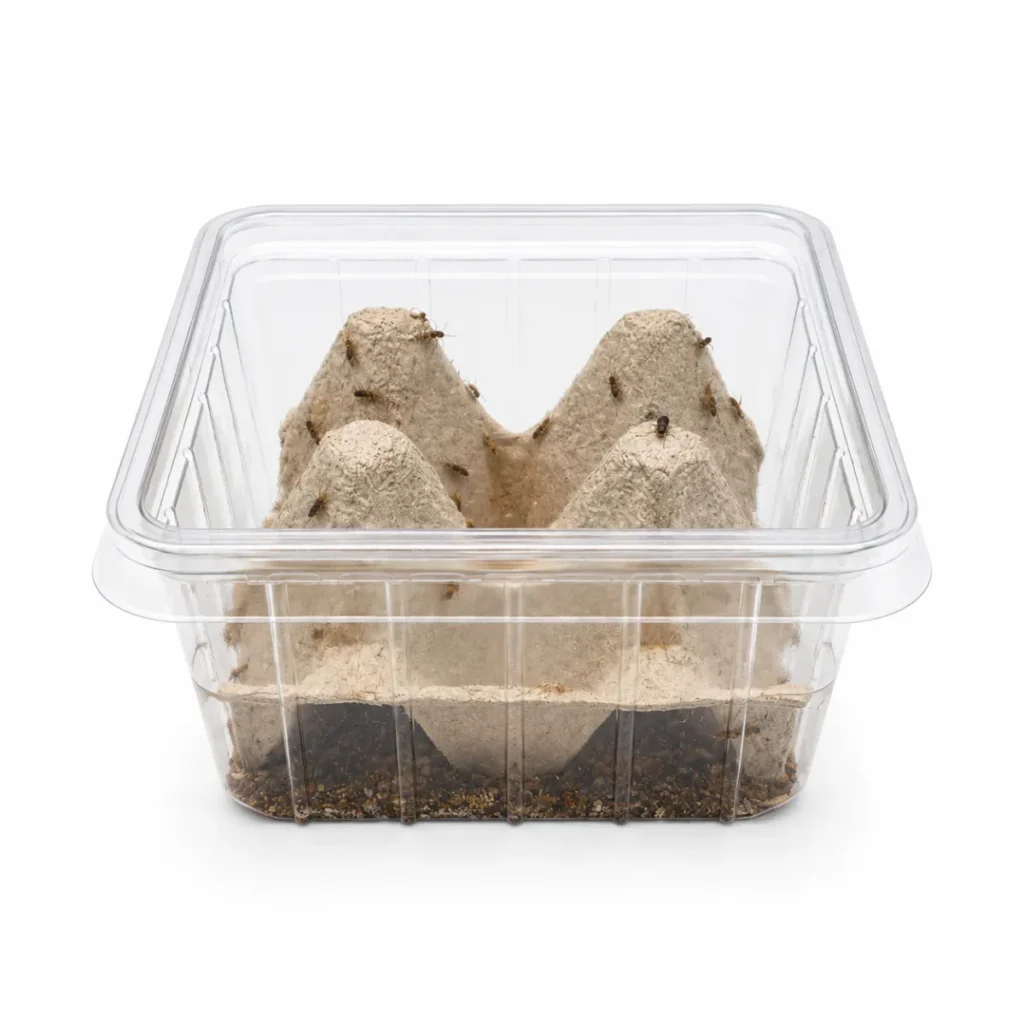
Fruit flies – the main food source for poison dart frogs
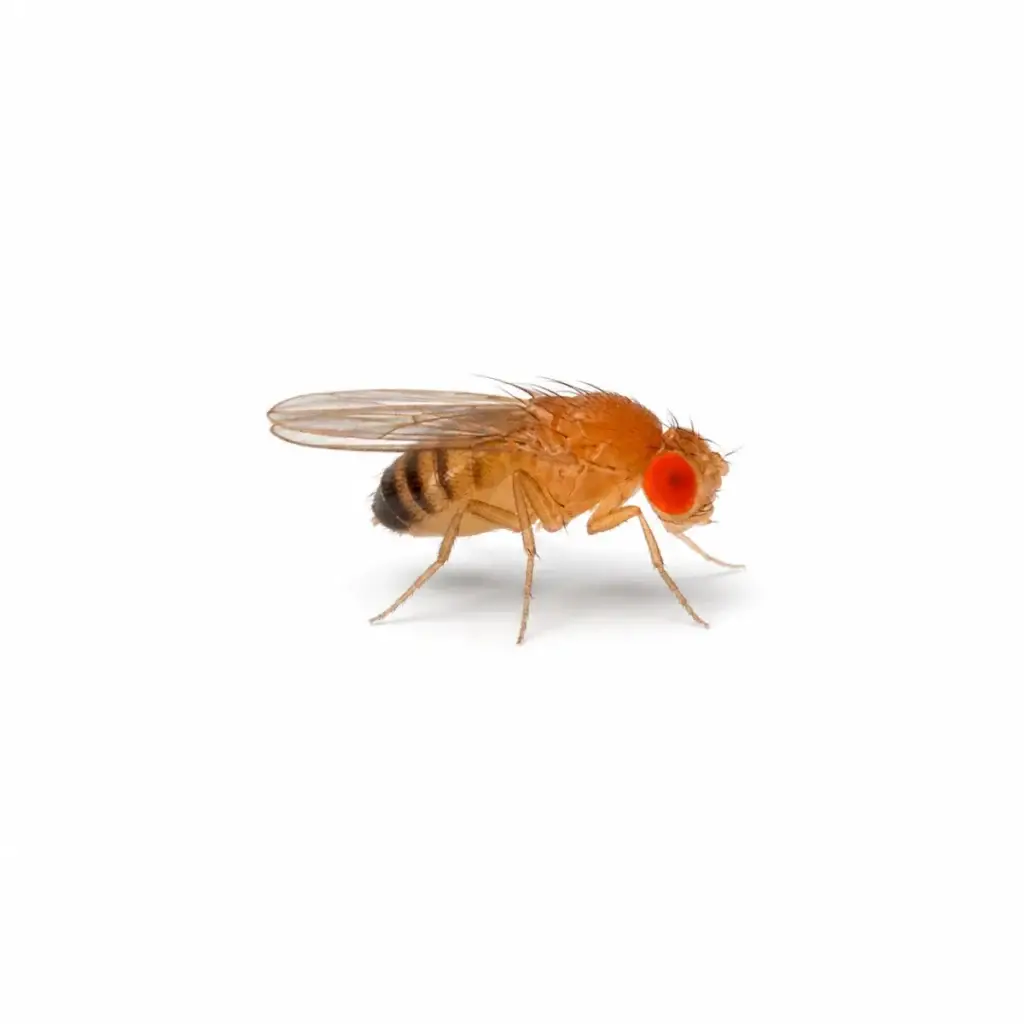
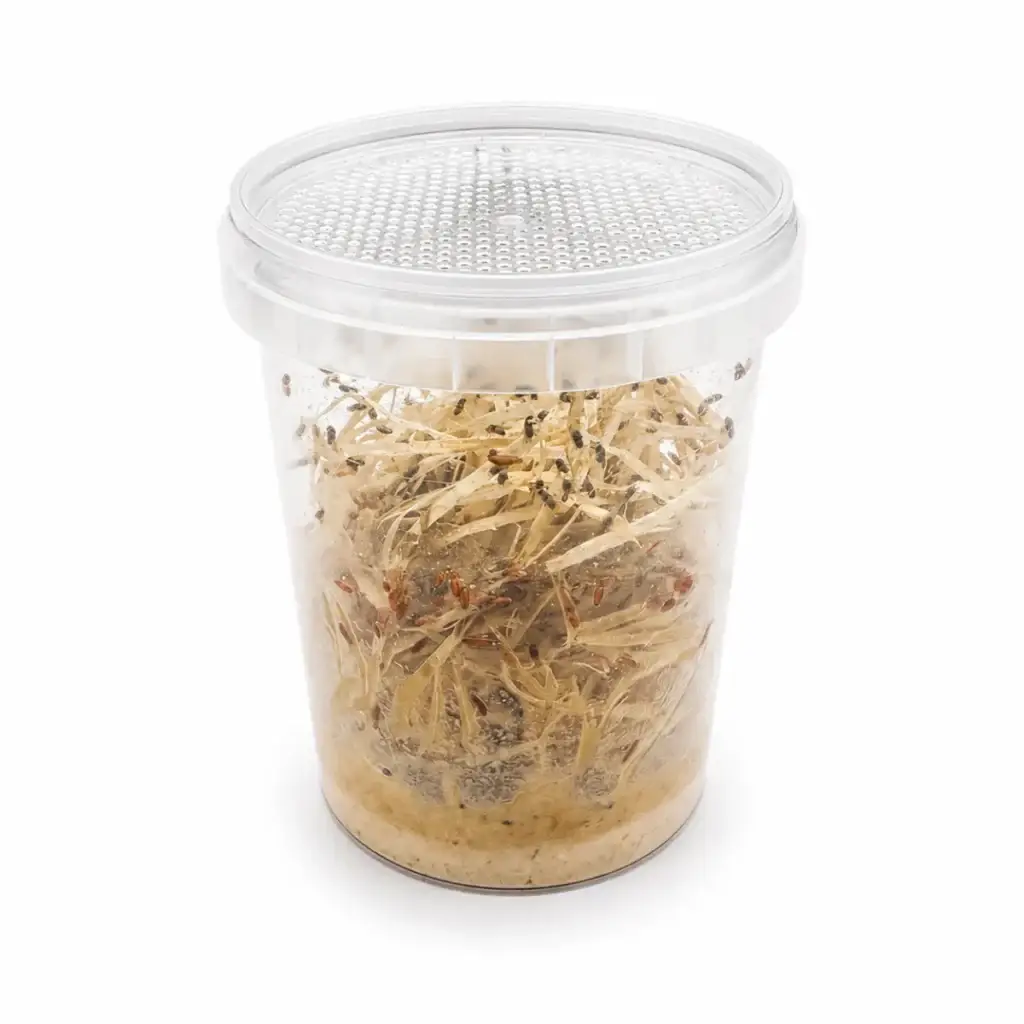
The basic diet of many poison dart frogs consists of fruit flies (Drosophila) of various sizes:
Our crops are deliberately bred to be flightless, which makes handling much easier.
Advantages:
- Targeted feeding without escape
- simple pollination with supplements
- ideal for daily feeding
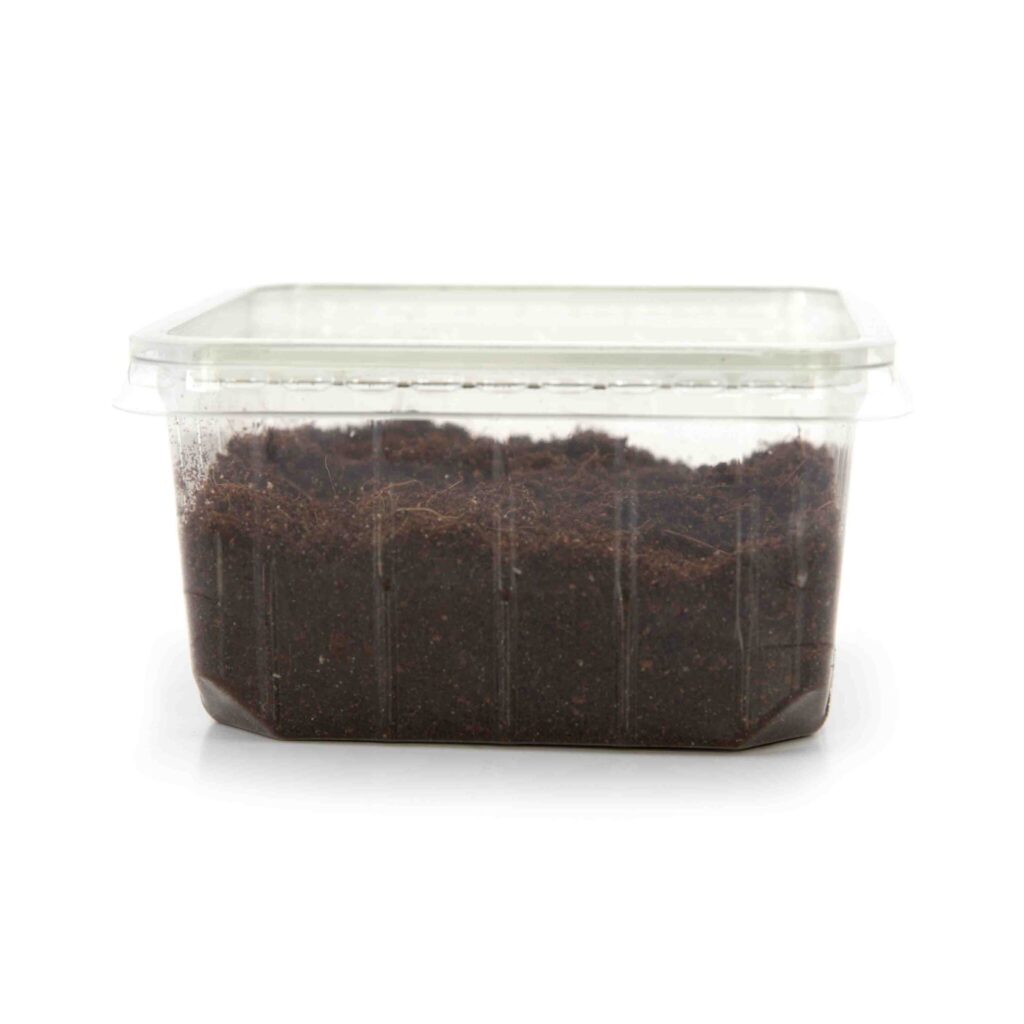
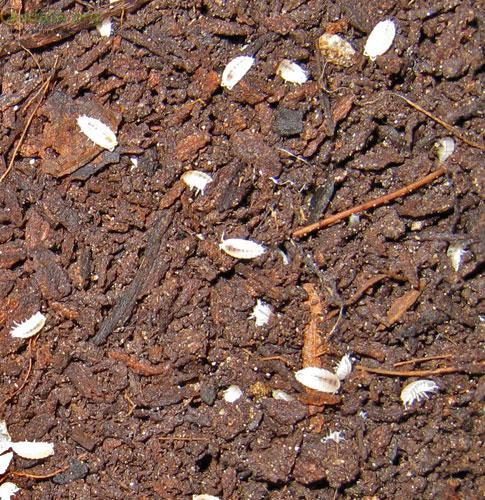
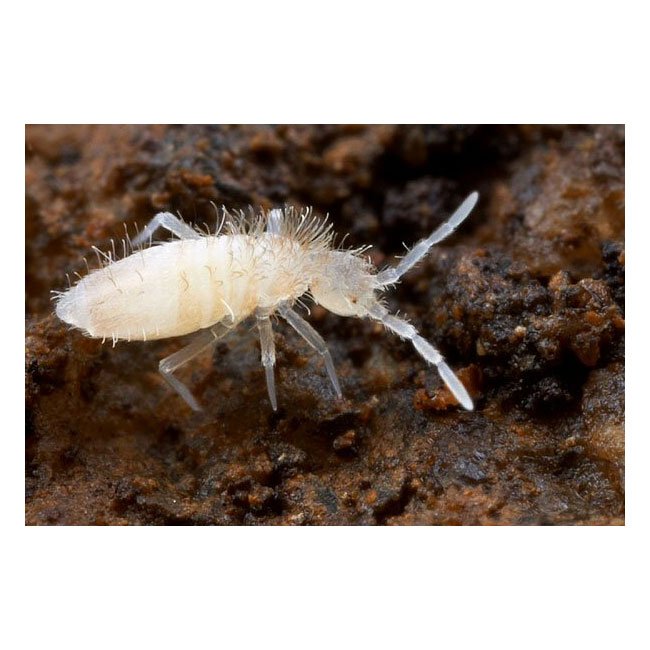
Springtails – prey animal & soil police
Tropical springtails (Collembola) are true all-rounders in the terrarium:
- ideal microfood for young animals and small species
- Available in various culture sizes
- indispensable for bioactive terrariums
Additional functions:
- Decomposition of organic material
- Stabilization of the soil climate
- Prevention of mold growth
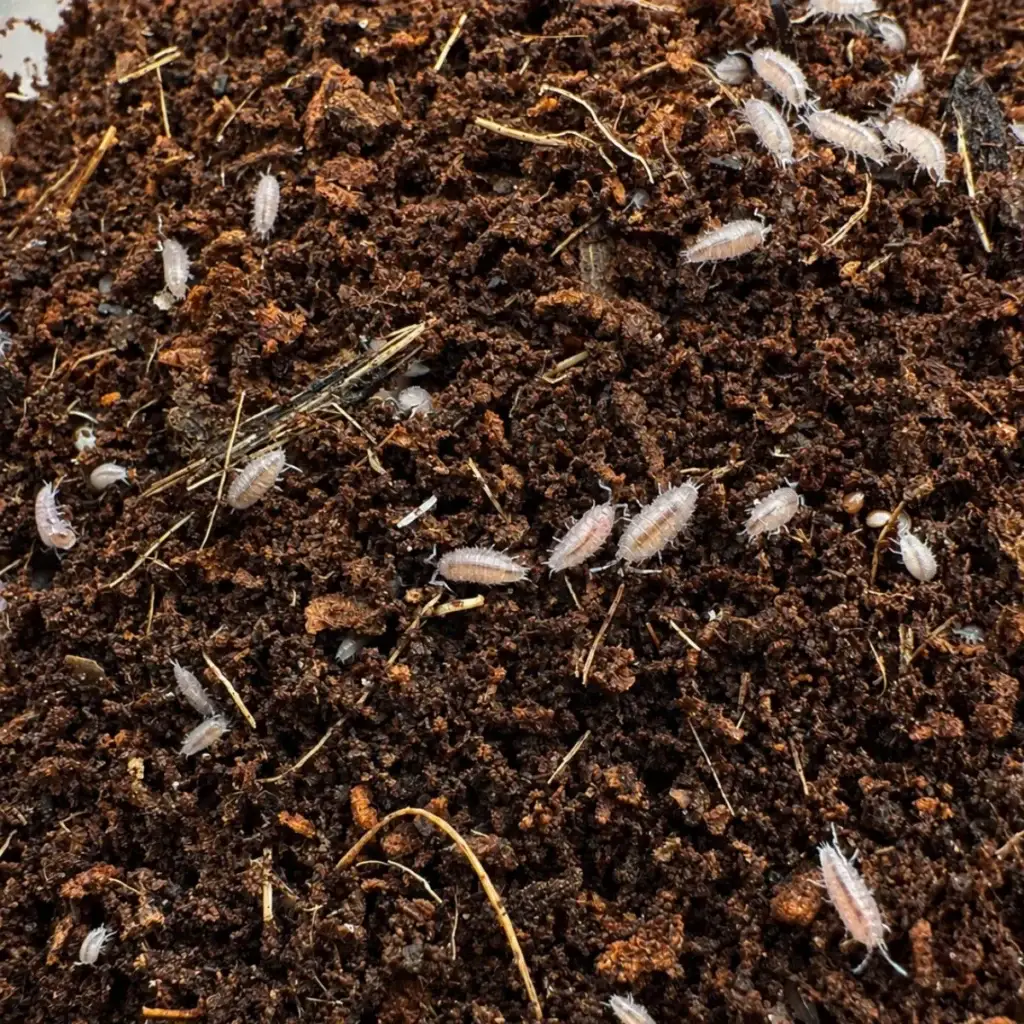
White woodlice – efficient waste recyclers
The tropical white isopods (Trichorhina tomentosa) are an important component of bioactive systems:
- Suitable as food for smaller poison dart frogs
- also suitable for small reptiles
- very efficient in the decomposition of organic waste
They contribute significantly to a stable terrarium ecosystem.
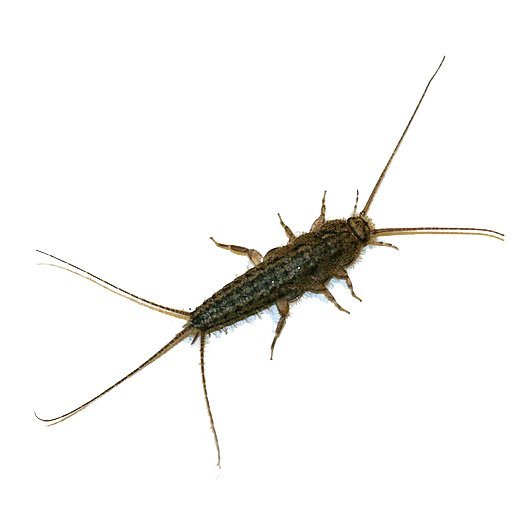
Silverfish – active food without risk
Ovenfish (Thermobia domestica) are particularly versatile:
- Food for larger frog species
- Suitable for small geckos and anoles
- also suitable for mantises
Special advantage:
There is no risk that they will establish themselves as household pests if they escape.
Other feeder insects for larger terrarium animals
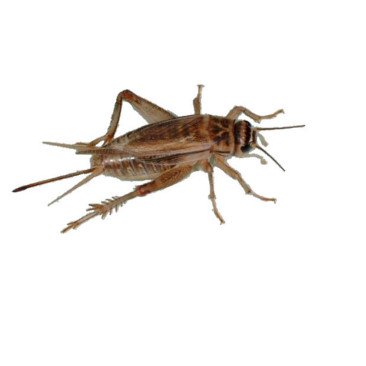
For larger terrarium inhabitants, we offer classic feeder animals:
Suitable for:
- larger reptiles
- Tree frogs
- stronger amphibian species
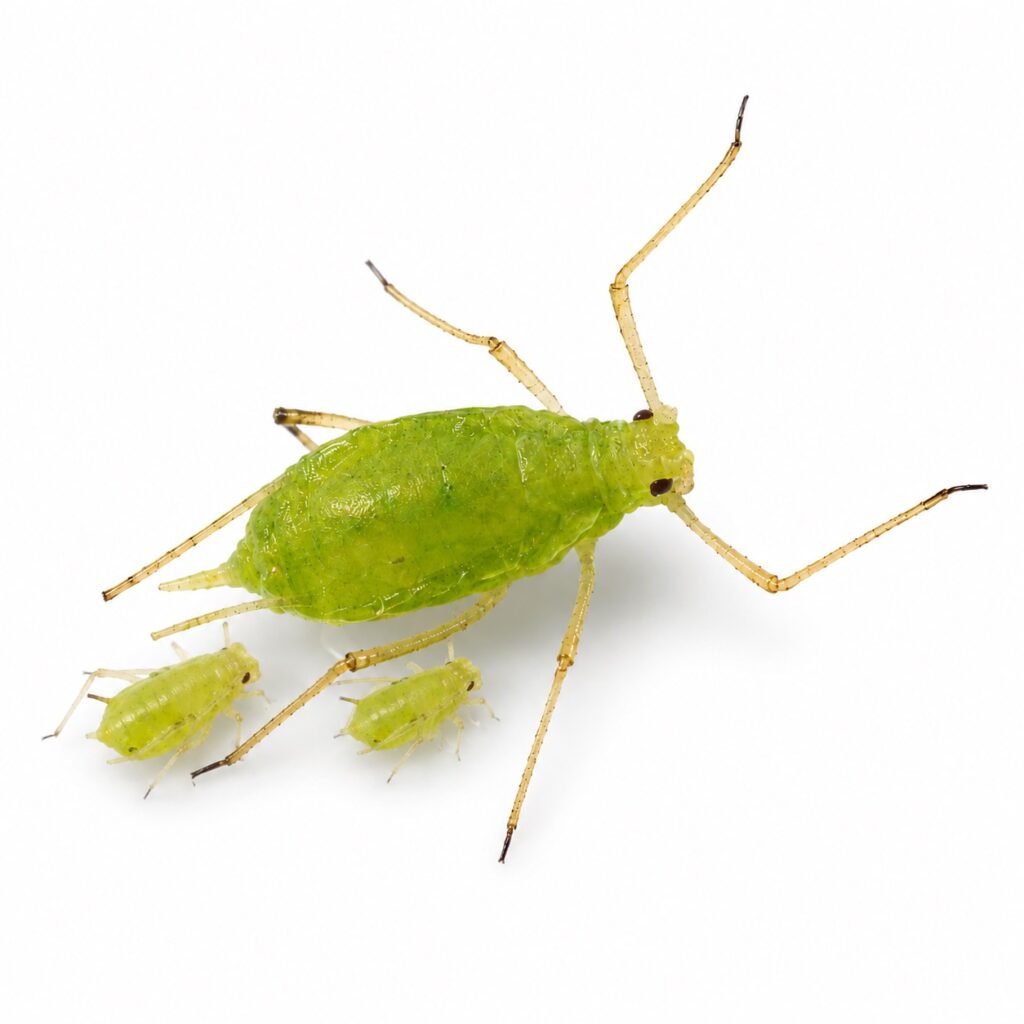
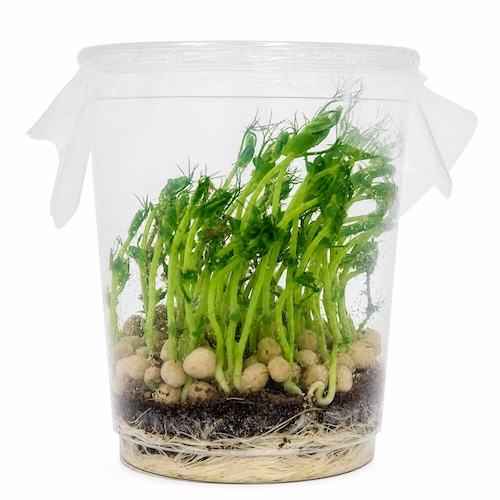
Aphids – an underestimated premium food source
vetch or Pea aphids are a particularly high-quality microfood:
- high nutrient content through natural nutrition
- ideal for small poison dart frogs and reptiles
- can positively influence vitality and reproduction
Why choose feeder insects from Rana Terraria?
- Specializing in microfood for poison dart frogs
- fresh and stable breeding stock
- optimal sizes for each stage of development
- Perfectly combinable with supplements
- ideally suited for bioactive terrariums
Personal advice on feeder insects
Are you unsure which feeder insects are best suited for your animals? We are happy to advise you personally and help you put together the optimal diet for your terrarium.
➡️ Get personal advice now
FAQ – Frequently Asked Questions about Feeder Insects
Which feeder insects are suitable for poison dart frogs?
Fruit flies (Drosophila hydei & melanogaster), springtails, white woodlice and aphids are ideal – depending on the size and type of frogs.
Why are flightless fruit flies better?
They are easier to feed, hardly escape, and can be optimally dusted with supplements.
Are springtails only feeder insects?
No, they also serve as soil police and support the biological balance in the terrarium.
Which feeder animals are suitable for young animals?
Tiny food items such as springtails, Drosophila melanogaster or aphids are ideal.
Can feeder insects survive in a terrarium?
Some species, such as springtails and woodlice, establish themselves permanently, while others are deliberately fed to other animals.
Didn't find the right answer?
Feel free to send us a message via our Contact form – We will help you as soon as possible.